
The Part of Healthcare We Rarely Notice
When people think about healthcare, they usually picture doctors, nurses, maybe hospital corridors that smell faintly of antiseptic. What almost never comes to mind is the enormous system working quietly in the background — the one responsible for making sure every hospital, clinic, and operating room has what it needs to function.
And yet, without that system, even the most skilled medical professionals would be helpless.
Healthcare doesn’t run on knowledge alone. It runs on logistics, timing, preparation, and reliability. From simple gloves to highly advanced diagnostic devices, everything must arrive in the right place at the right moment — no delays, no mistakes.
It’s not glamorous work. But it’s absolutely essential.
The Complex Path Before a Tool Reaches a Doctor
Every piece of medical equipment begins its journey far away from hospitals — often inside manufacturing facilities where precision engineering meets strict quality standards.
But making a device is only half the story. Getting it safely and efficiently into healthcare settings requires a sophisticated system of medical device distribution that operates almost like a lifeline.
This process involves regulatory approvals, safety testing, storage protocols, transportation logistics, and careful tracking. Devices must be shipped under specific environmental conditions, sometimes even temperature-controlled, to maintain their integrity.
And timing matters more than most people realize.
A delay in delivering surgical tools to a hospital can disrupt procedures, affect patient schedules, and create a ripple effect across healthcare operations. That’s why distribution networks are designed with redundancy, monitoring systems, and real-time tracking to minimize risks.
It’s a world built on reliability — where every shipment carries more than just equipment. It carries responsibility.
The Everyday Essentials That Keep Healthcare Running
While high-tech devices often capture attention, the reality is that healthcare depends just as much on basic materials used every single day.
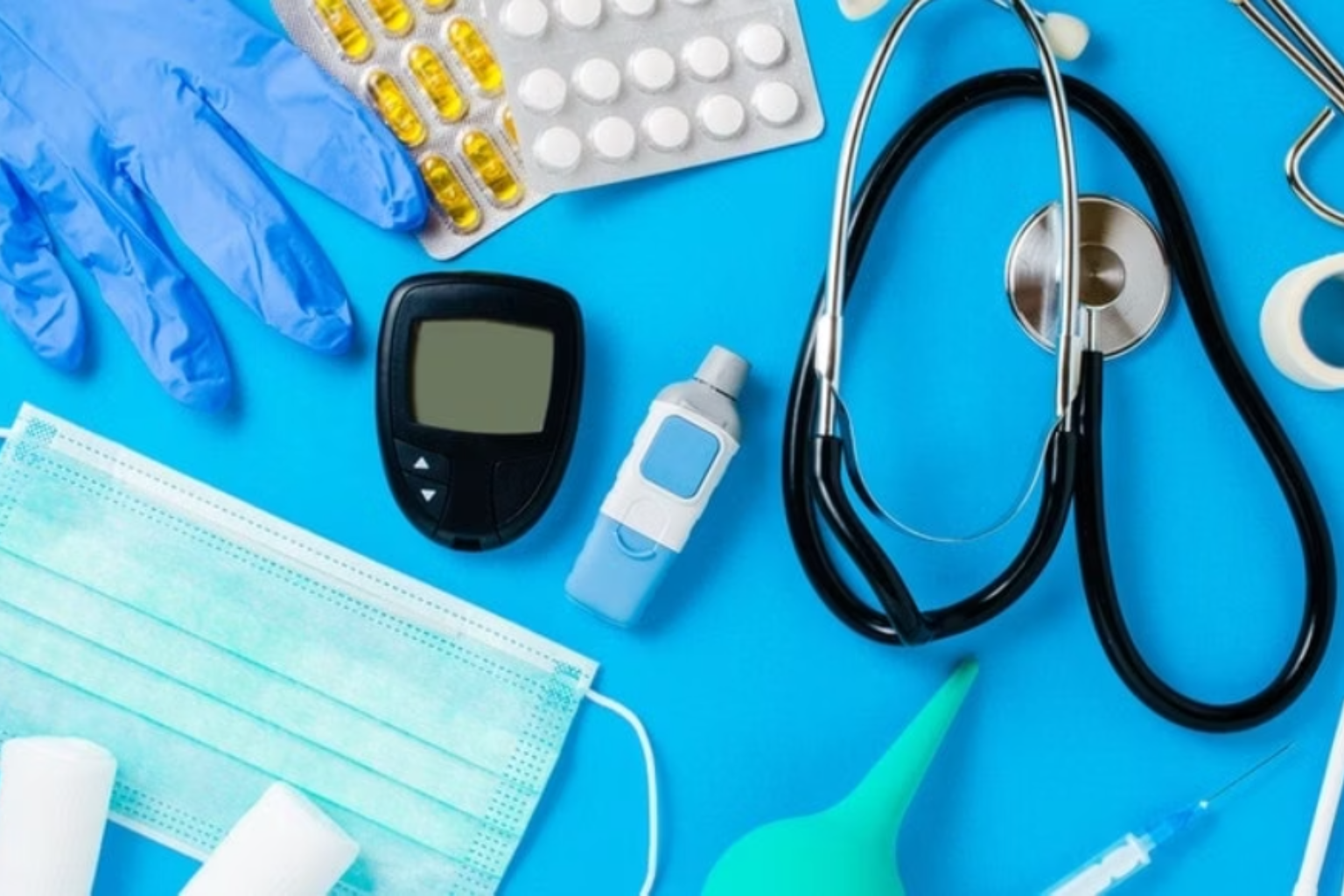
Items like gloves, syringes, masks, bandages, disinfectants, and protective clothing form the backbone of hospital operations. Collectively, these healthcare supplies ensure safety, hygiene, and efficiency across medical environments.
During global health crises, such as pandemics, the importance of these supplies becomes painfully clear. Shortages can create dangerous conditions, not just for patients but also for frontline workers.
Even outside emergency situations, consistent supply availability determines how smoothly a healthcare facility operates. A well-stocked system prevents delays, supports infection control, and allows medical teams to focus entirely on patient care.
In many ways, these everyday supplies are the silent guardians of healthcare — always present, rarely noticed.
The Tools That Support Diagnosis and Treatment
Beyond general supplies, healthcare also relies on specialized equipment designed for precise medical tasks. These include diagnostic tools, examination devices, and treatment instruments collectively known as clinical instruments.
Think about something as familiar as a blood pressure monitor or as advanced as a portable ultrasound scanner. These instruments allow medical professionals to gather vital information quickly and accurately.
They serve as the bridge between observation and action.
Without reliable clinical instruments, doctors would struggle to diagnose conditions early, monitor patient progress, or make informed treatment decisions.
What makes these tools particularly interesting is how they blend simplicity and complexity. Some are mechanically straightforward, yet incredibly effective. Others incorporate advanced digital technology, providing real-time data and analysis.
Together, they form an essential layer of support in the healthcare system.
The Human Effort Behind Every Delivery
What’s often overlooked in discussions about medical equipment is the human effort involved in making it all work smoothly.
Distribution specialists coordinate shipments across regions. Quality control experts ensure safety standards are maintained. Logistics teams monitor transportation routes and respond quickly to unexpected challenges.
There’s a sense of urgency in this work that mirrors the urgency inside hospitals.
Unlike typical commercial supply chains, healthcare logistics cannot tolerate delays. A missed shipment doesn’t just affect business operations — it can impact patient care.
This responsibility creates a culture of precision, discipline, and collaboration across the entire distribution network.
Technology Is Transforming Medical Logistics
In recent years, technological advancements have dramatically improved how medical equipment and supplies are managed.
Digital inventory systems now allow hospitals to track stock levels in real time. Automated alerts notify staff before shortages occur. Advanced analytics help predict demand patterns and optimize distribution routes.
Some facilities even use robotic systems to transport supplies within hospitals, reducing manual workload and improving efficiency.
These innovations are not just about convenience — they enhance reliability, reduce errors, and ultimately support better patient outcomes.
Technology, in this context, becomes a quiet partner in healthcare delivery.
Challenges That Still Remain
Despite progress, medical supply chains continue to face challenges.
Global disruptions, regulatory complexities, transportation limitations, and fluctuating demand can all affect availability. Healthcare systems must constantly adapt to these changing conditions.
The recent global health emergencies highlighted how fragile supply networks can become under pressure. They also demonstrated the importance of resilience — the ability to respond quickly and maintain continuity during crises.
Strengthening these systems remains a priority for healthcare organizations worldwide.
Looking Toward the Future
The future of medical supply and distribution systems is likely to focus on sustainability, automation, and greater transparency.
Emerging technologies like blockchain may improve traceability, ensuring authenticity and reducing counterfeit risks. AI-driven forecasting could further optimize inventory management, minimizing waste while maintaining readiness.
There’s also a growing emphasis on environmentally responsible practices, including recyclable packaging and energy-efficient transportation.
These changes reflect a broader shift toward smarter, more resilient healthcare systems.
The Quiet Foundation of Patient Care
Most patients will never think about how a medical device arrived at a hospital or how supplies were stocked before their appointment.
But behind every diagnosis, treatment, and recovery lies an invisible network working tirelessly to ensure readiness.
From distribution systems to daily supplies and specialized instruments, these elements form the quiet foundation of modern healthcare.