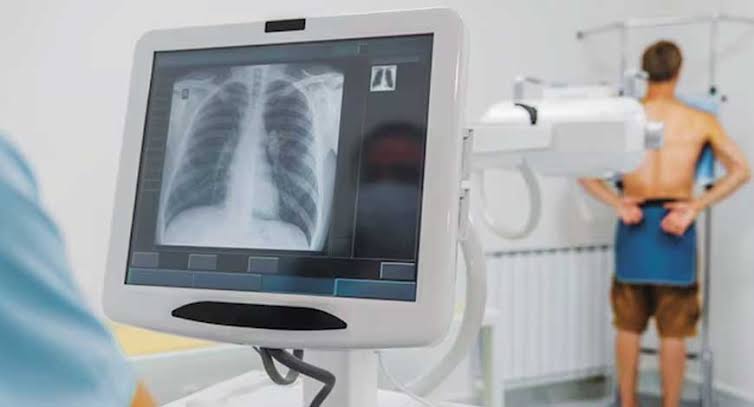
Radiology departments are steadily moving from traditional film-based workflows toward digital imaging. This change can improve image availability, workflow efficiency, and data management when the technology is properly implemented. Two important approaches are Computed Radiography and digital radiography, which use different methods to capture and process X-ray images. Computed Radiography uses photostimulable phosphor plates, while DR uses a digital X-ray detector that can read the signal electronically after exposure.
How Computed Radiography Works
Computed radiography uses an imaging plate inside a cassette. After an X-ray exposure, the plate stores a latent image. A reader then scans the plate with a laser, converts the stored information into a digital image, and prepares it for viewing, processing, storage, or transmission.
This approach can be useful for facilities that already have conventional X-ray equipment and want to introduce digital workflows without immediately replacing every part of their existing setup. However, the additional plate-reading step can make the workflow different from direct digital acquisition.
The Role of a DR Detector
A DR detector captures X-ray information electronically and sends the image to the connected imaging system. This can reduce some of the handling involved with cassette-based workflows and support faster image availability.
Choosing a DR detector requires attention to factors such as image quality, detector size, compatibility, durability, workflow requirements, and quality control. Digital radiography also involves exposure and dose management, making appropriate equipment setup and operator training important.
Why Consider a DR Retrofit?
Replacing a complete X-ray system can involve considerable cost, downtime, and operational disruption. A DR retrofit can provide another route for facilities looking to modernise an existing radiography room.
With a suitable DR retrofit, an existing X-ray system may be upgraded with digital detection and related workflow components instead of replacing the entire installation. However, compatibility should be carefully evaluated before implementation.
CR or DR: What Should Facilities Consider?
Both Computed radiography and DR can support digital X-ray imaging, but their workflows are different. CR relies on imaging plates and a reader, while DR captures images electronically through a detector. A DR detector can support a more streamlined acquisition process, whereas existing facilities may consider Computed Radiography when gradual digital adoption is more practical.
A DR retrofit may also be considered where existing equipment remains suitable but the facility wants to improve digital workflow without undertaking a complete replacement.
Conclusion
Modern radiology requires more than simply installing new hardware. Image quality, workflow, dose management, interoperability, staff training, and long-term service support all influence the value of a digital imaging solution. Facilities should assess their current equipment and clinical requirements before selecting between Computed Radiography, a DR detector, or a DR retrofit.
An established radiography technology provider can support healthcare facilities with reliable radiography solutions, digital workflow integration, image-processing technologies, and equipment designed around practical clinical requirements. Its focus on imaging quality, operational efficiency, and dependable technology can help radiology departments move toward modern digital workflows while making informed use of their existing infrastructure.